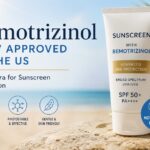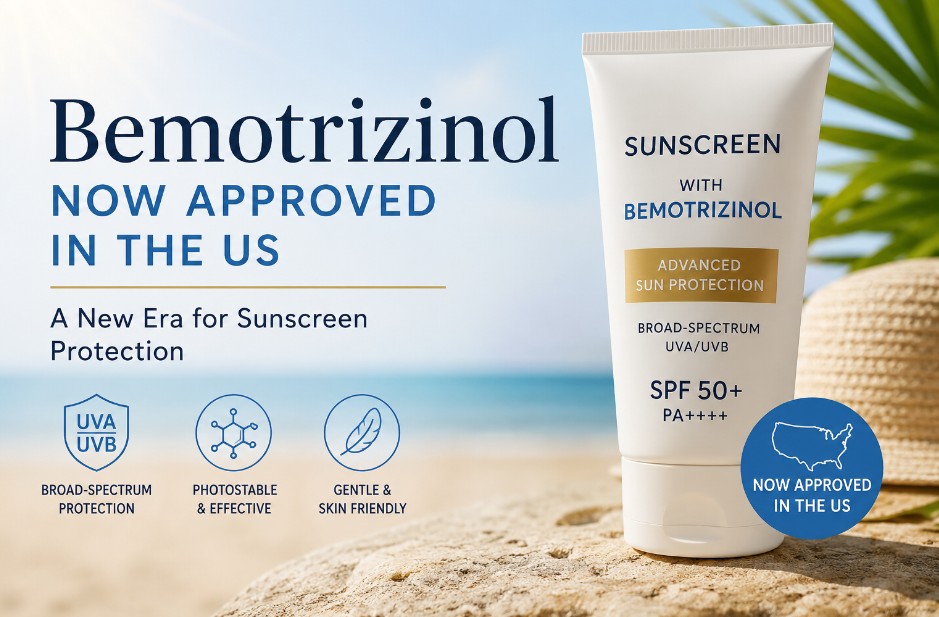
For the first time in more than 20 years, the FDA has approved a brand-new sunscreen ingredient for the U.S. market. It’s called bemotrizinol (you may also see it written as “BEMT” or sold under the brand name PARSOL Shield). This is genuinely exciting news, and here’s what it means for you in plain English.
What happened?
On June 9, 2026, the FDA officially added bemotrizinol to the list of approved sunscreen active ingredients. The approval takes full effect on August 9, 2026, and the first products are expected to reach U.S. shelves by the end of the year.
What makes this a big deal: bemotrizinol has already been used safely in Europe, Australia, and parts of Asia for over 25 years. American consumers have simply had fewer sunscreen options than the rest of the world, until now.
Why does this matter for your skin?
Sunlight contains two types of harmful rays:
- UVB rays cause sunburns. Most U.S. sunscreens already block these well.
- UVA rays penetrate deeper into the skin. They drive premature aging (wrinkles, sun spots), weaken your immune defenses, and are a major contributor to skin cancer, including melanoma.
Here’s the catch: many sunscreens sold in the U.S. have not protected against UVA rays as well as those sold overseas. Bemotrizinol helps close that gap. It offers strong, true broad-spectrum protection, meaning it shields against both UVA and UVB.
What’s so good about it?
A few standout qualities:
- It’s very stable. It doesn’t break down quickly in sunlight the way some current ingredients (like avobenzone) do, so the protection lasts longer.
- It’s gentle. It’s been approved for adults and children as young as 6 months, with a low risk of irritation, making it a good option for sensitive skin.
- It feels nice to wear. It tends to produce lighter, more cosmetically pleasant formulas with less of the white cast you get from heavy mineral sunscreens. When a sunscreen feels good, you’re more likely to actually use it, and consistent use is what protects your skin.
What you should do right now
The most important takeaway: you don’t need to wait for this new ingredient to protect yourself. Excellent sunscreens are available today. Whatever product you choose, follow these basics:
- Look for “broad-spectrum” on the label, with SPF 30 or higher.
- Use about one ounce (a shot glass full) to cover your whole body.
- Apply 15 minutes before going outside, and reapply every 2 hours, or after swimming or sweating.
- Don’t forget commonly missed spots: ears, neck, the back of your hands, and your scalp.
As a practice focused on skin cancer prevention and treatment, we’re glad to see better tools coming to American consumers. When products with bemotrizinol arrive, they’ll be a welcome addition, but the best sunscreen is always the one you’ll wear every day.
Questions?
If you’d like personalized guidance on sun protection or want to schedule a skin exam, we’re here to help.
Call us at 248-436-4888 to schedule an appointment with Dr. Arjun Dupati.
📞 Call Apollo Dermatology at 248-436-4888.
🌐 Request an Appointment
📍 Apollo Dermatology | Rochester HIlls, Michigan
By Dr. Arjun Dupati, Board-Certified Dermatologist and Fellowship-Trained Mohs Surgeon