If you have been told you have an actinic keratosis, or AK, you are not alone. These rough, scaly spots are one of the most common skin findings we see at Apollo Dermatology, especially in patients who have spent significant time in the sun over the years. The good news is that we have a quick, reliable, and time tested way to treat them in the office: liquid nitrogen.
Here is what you should know.
What Is an Actinic Keratosis?
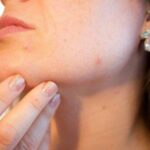
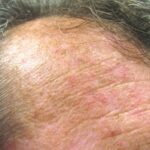
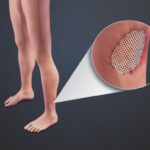
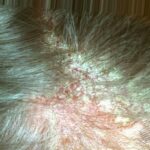
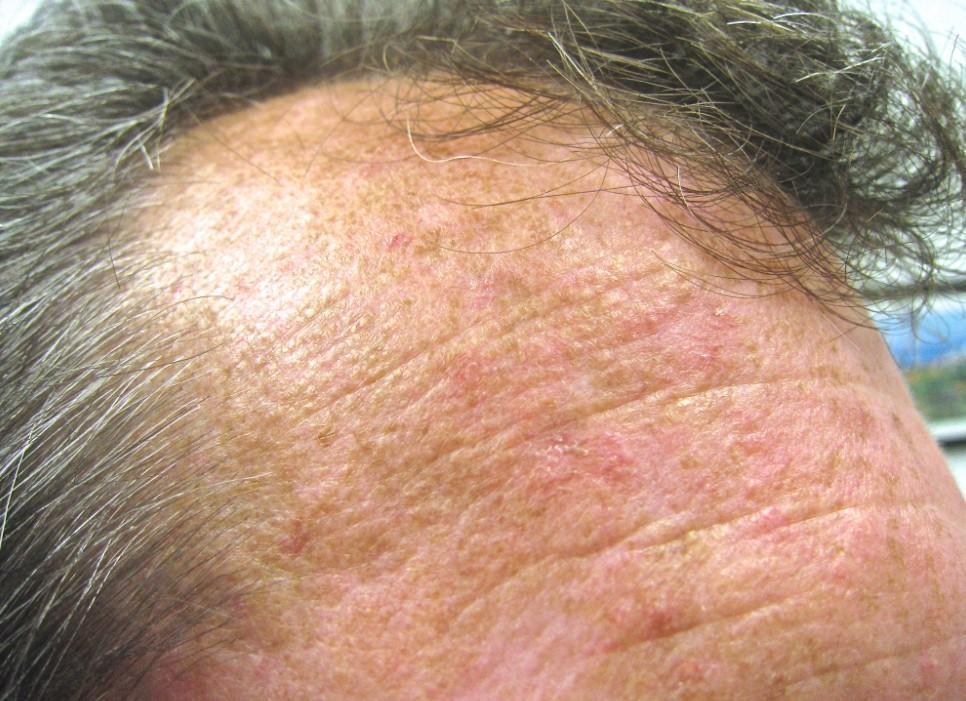
An actinic keratosis is a small patch of sun damaged skin. It often feels like sandpaper, sometimes more than it looks like anything. You may notice a pink, red, or tan rough spot on your face, scalp, ears, neck, forearms, or the backs of your hands. These are the areas that catch the most sun over a lifetime.
AKs matter because they are considered precancerous. A small percentage of them, if left alone, can turn into squamous cell carcinoma, a type of skin cancer. Treating them early is a way of heading off that possibility before it happens. Think of it as clearing out the weeds before they take over the garden.
What Is Liquid Nitrogen?
Liquid nitrogen, often shortened to LN2, is nitrogen in its liquid form. It is extremely cold, about 320 degrees below zero Fahrenheit. In dermatology, we use it to freeze off unwanted skin growths. The technique is called cryotherapy or cryosurgery, which simply means “cold treatment.”
When we apply a short, controlled spray of liquid nitrogen to an actinic keratosis, the damaged cells freeze and die. Over the next week or two, your body naturally sheds those dead cells, and healthy skin grows underneath.
Why Liquid Nitrogen Is a Great Choice for AKs
There are several reasons this treatment has stood the test of time.
It is fast. Each spot takes only a few seconds to treat. Most patients with a handful of AKs are in and out of the office in a single short visit.
It is effective. For a typical actinic keratosis, liquid nitrogen clears the spot the majority of the time with a single treatment. If a stubborn spot comes back, we can simply treat it again.
It is precise. We aim the spray directly at the AK and spare the surrounding healthy skin as much as possible. No cutting, no stitches, no surgery.
It requires no anesthesia. You will feel a sharp, cold sting during the freeze and a bit of aching afterward, but there are no needles or numbing shots involved. Most patients describe the discomfort as very manageable.
It is low risk. Serious complications are uncommon. The main things to expect are redness, a small blister, and a scab that heals over the following one to three weeks.
It is affordable and widely covered. Cryotherapy for AKs is a standard covered service under most insurance plans, making it accessible for most patients.
What to Expect at Your Visit
When you come in for treatment, the process is straightforward.
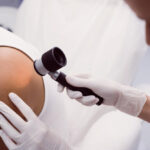
First, we examine your skin carefully, often with a handheld magnifier called a dermatoscope, to identify every spot that needs treating. We will also look for anything more concerning that might need a biopsy instead.
Next, we apply the liquid nitrogen. You will hear a brief hissing sound and feel an intense cold sensation on the treated spot. The freeze typically lasts only a few seconds per AK. Some patients compare the feeling to pressing an ice cube firmly against the skin, only more intense and shorter in duration.
After treatment, the area will turn pink and may sting for several minutes. Within a day or two, a small blister or scab can form, but not always. This is normal and is part of how the treatment works.
Aftercare Is Simple
You do not need any special bandages or ointments in most cases. Keep the area clean, avoid picking at any scab that forms, and apply a thin layer of petroleum jelly if it feels dry. The treated spot usually heals fully within one to three weeks, sometimes leaving a small lighter area of skin as the only reminder.
Preventing Future AKs
Treating the spots you have is only half the story. Because AKs are caused by cumulative sun exposure, ongoing sun protection is essential to keep new ones from forming.
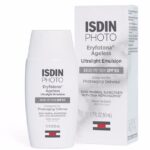
This means applying a broad spectrum sunscreen of SPF 30 or higher to your face, ears, neck, and hands every day, even in winter and even when it is cloudy. Wearing a wide brimmed hat, seeking shade during peak sun hours, and avoiding tanning beds all make a meaningful difference over time.
We also recommend a full body skin check at least once a year for patients with a history of AKs, so we can catch new spots early and stay ahead of anything more serious.
When to Schedule a Visit
If you have noticed rough, scaly, or persistent pink spots on sun exposed areas of your skin, please do not wait. AKs are easiest to treat when they are small, and addressing them early is one of the simplest things you can do to lower your long term skin cancer risk.
Our team at Apollo Dermatology is happy to evaluate any spot you are concerned about and walk you through your options. In most cases, we can examine and treat on the same day, so you leave your visit with the problem already addressed.
To schedule an appointment, please call our Rochester Hills office at 248-436-4888 or reach out through our website. We look forward to taking care of you.