When you undergo Mohs surgery for skin cancer, the goal is simple. Remove the cancer completely while preserving as much healthy tissue as possible. In most cases, the wound that remains can be closed with stitches or allowed to heal on its own. But sometimes, especially with larger wounds or wounds in tricky locations, the body needs a little extra help to heal well. That is where Kerecis fish skin grafts come in.
What is a Kerecis Graft?
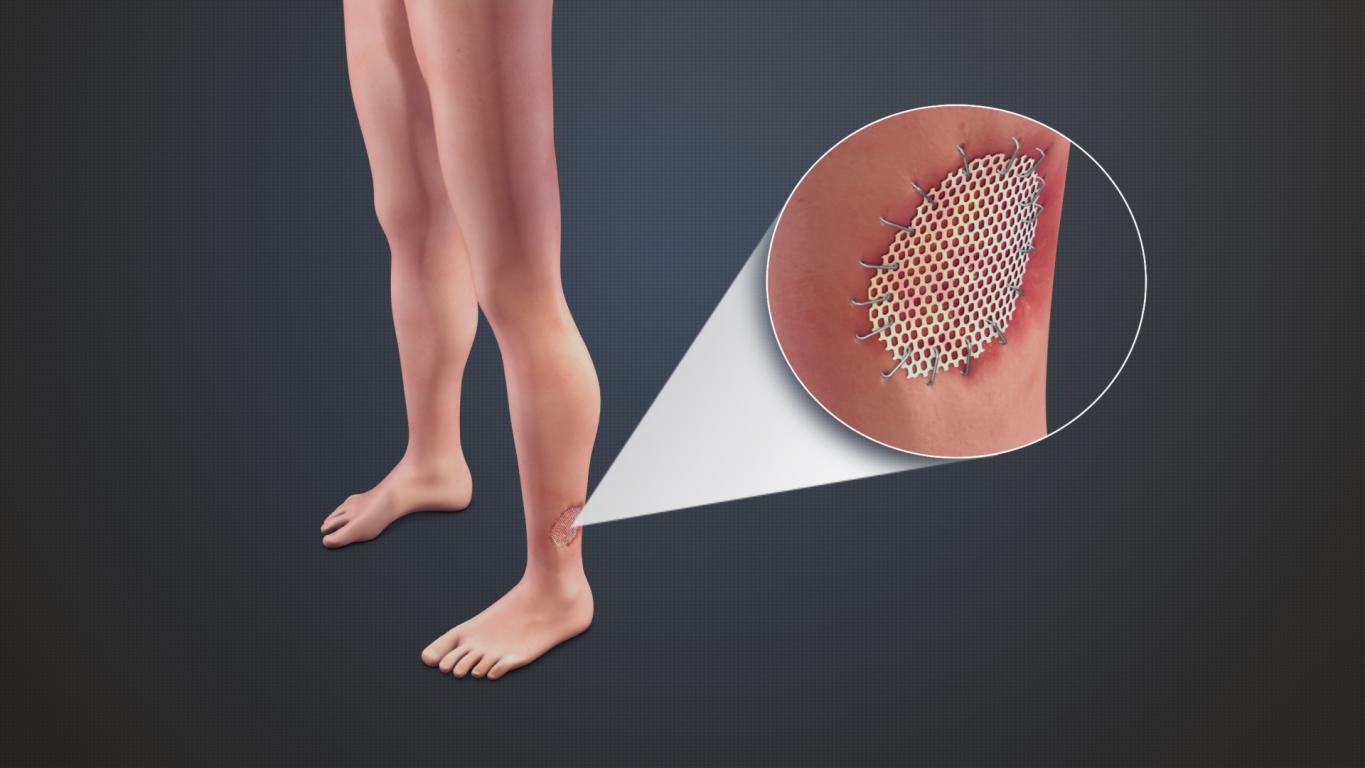
Kerecis is a wound healing product made from the skin of wild caught Atlantic cod harvested in the cold, clean waters of Iceland. It might sound surprising, but fish skin turns out to be remarkably similar in structure to human skin. Once gently processed to remove all fish cells, what remains is a natural scaffold rich in proteins, omega 3 fatty acids, and other healing nutrients. When this scaffold is placed on a wound, your body uses it as a framework to grow new, healthy skin.
Think of it like a trellis in a garden. The trellis itself is not the plant, but it gives the plant something to grow on. Over time, your own cells migrate into the graft, replace it, and the wound closes with healthy new tissue.
Why Fish Skin?
There are a few reasons fish skin works so well. First, because fish and humans are so different biologically, there is essentially no risk of disease transmission from cod to people. This means the fish skin can be processed very gently, preserving its natural structure and the helpful molecules inside it.
Second, fish skin is naturally rich in omega 3 fatty acids, which are known to reduce inflammation and support healing. Studies have shown that wounds treated with fish skin grafts often heal faster and with less pain than wounds treated with traditional alternatives.
How Kerecis Helps After Mohs Surgery
After Mohs surgery, most wounds heal nicely with standard care. But certain wounds may benefit from a fish skin graft, including:
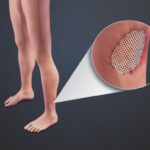
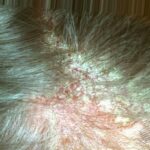
Wounds that are larger or deeper than expected. Wounds on the lower legs, scalp, or other areas where blood flow is reduced and natural healing is slower. Wounds that are not closing as expected with standard care. Wounds in patients with conditions like diabetes that can delay healing.
Applying a Kerecis graft is a quick, in office procedure. The graft is placed directly on the wound and covered with a dressing. You will receive simple instructions on how to care for it at home, and you will return to the office for follow up so Dr. Dupati can monitor your progress. Depending on the wound, more than one application may be needed over the course of several weeks.
A Word About Insurance Coverage
This is important. While Kerecis is an excellent product, it is not appropriate or covered for every patient. Insurance companies, including Medicare, have specific rules about when fish skin grafts are reimbursed. Coverage typically depends on factors like the type of wound, its size, its location, how long it has been present, and whether other treatments have already been tried.
Because of these restrictions, Dr. Dupati will carefully evaluate your individual situation before recommending a Kerecis graft. He will determine whether your wound meets the criteria for this treatment and whether your specific insurance plan is likely to cover it. If a Kerecis graft is not the right fit for your situation, there are many other excellent options for supporting wound healing, and he will discuss those with you.
The Bottom Line
Healing well after Mohs surgery matters. A clean, well healed wound means better function, a better cosmetic result, and greater peace of mind. For the right patient with the right kind of wound, a Kerecis fish skin graft can be a wonderful tool to support that healing process.
If you have questions about wound healing after Mohs surgery, or if you would like to learn more about whether a Kerecis graft might be appropriate for your situation, please reach out to our office. We are always happy to talk through your options.
If you would like to learn more, feel free to reach out to our office online or call us at 248-436-4888. Your skin’s health is our priority, and we’re here to help!