By Arjun Dupati, MD, FAAD
If you have ever been told you have an actinic keratosis, or AK, you may have heard it described casually. A rough spot. A sun spot. Something that comes with age. Maybe even something not worth treating.
I want to give you a more honest picture, because what you do about actinic keratosis matters more than most patients realize.
What an actinic keratosis actually is
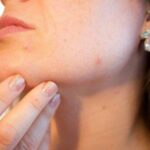
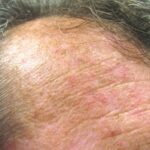
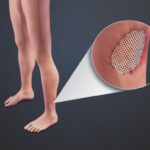
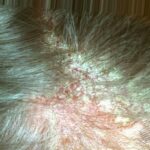
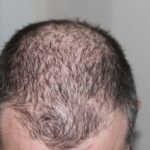
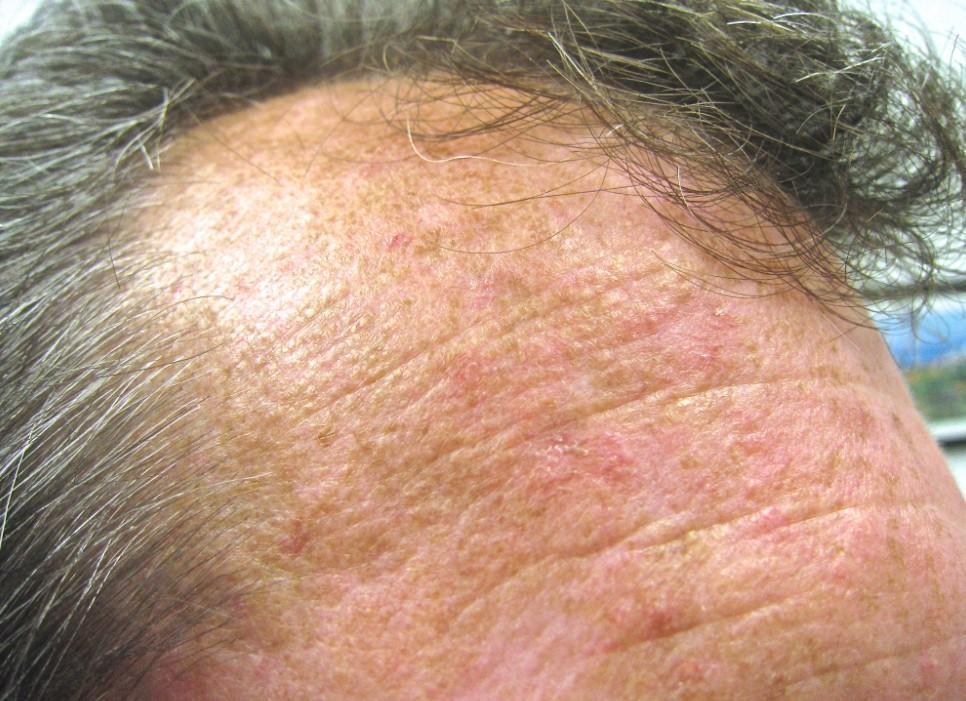
An actinic keratosis is a precancerous lesion caused by cumulative sun damage. It typically appears on areas that have spent the most time in the sun over a lifetime: the scalp, face, ears, lips, forearms, and the backs of the hands. AKs often feel like a patch of sandpaper before you can see them clearly. They may be pink, red, brown, or skin-colored, and they can be flat or slightly raised.
The key word is precancerous. An AK is not a fully developed skin cancer. But it sits on the same biological pathway as one specific, and dangerous, type of skin cancer: squamous cell carcinoma.
The connection to squamous cell carcinoma
Squamous cell carcinoma, or SCC, is the second most common form of skin cancer. Unlike basal cell carcinoma, SCC has a meaningful capacity to spread. When SCC metastasizes, it most often travels to nearby lymph nodes, and in advanced cases it can spread further. SCC can also grow deeply into local tissue, particularly in high-risk areas like the lip, ear, and scalp, where the consequences of delayed treatment are not just cosmetic but functional.
Most AKs do not turn into SCC. But here is the part patients are rarely told clearly: there is no reliable way to predict which specific AK on a specific person will be the one that progresses. And when an AK does transform, it can do so in a remarkably short window. In my own practice, I have seen lesions that looked like ordinary AKs at one visit return weeks or months later as invasive squamous cell carcinomas requiring Mohs surgery. That is not a rare story among Mohs surgeons. It is part of why we feel so strongly about treating AKs when we see them.
Field cancerization: the bigger picture
There is a second reason early treatment matters. Patients with AKs rarely have just one. Sun damage is diffuse, and the skin around a visible AK often contains microscopic damage that has not yet declared itself. Dermatologists call this field cancerization. Treating only the lesions you can see, or worse, ignoring them entirely, leaves the surrounding field to continue its slow march toward cancer.
This is why dermatologists often use field-directed treatments like 5-fluorouracil, imiquimod, photodynamic therapy, or topical calcipotriene and 5-FU combinations, in addition to treating individual lesions with cryotherapy or curettage. We are not treating spots. We are treating skin that has already shown it can produce cancer.
Why prompt treatment is the right call
When patients ask whether they can simply leave an AK alone, my answer is direct. The individual risk that any single AK will progress to SCC in a given year is small. The cumulative risk across many lesions over many years is not small. And the cost of being wrong, an invasive squamous cell carcinoma, sometimes requiring Mohs surgery, reconstruction, and in rare cases more aggressive treatment, is high enough that I do not think the math favors waiting.
Treating an AK is quick, well tolerated, and effective. The most common in-office treatment, cryotherapy, takes seconds per lesion. Field treatments require more commitment but address the underlying problem rather than just the visible tip of it. Either way, the inconvenience of treatment is dramatically smaller than the inconvenience of an SCC.
What to do if you have AKs
If you have noticed rough, persistent patches on sun-exposed skin, or if you have been told you have AKs and have not had them evaluated recently, schedule a skin examination. As a board-certified dermatologist and Mohs surgeon, my approach is to treat AKs promptly, look carefully for any lesions that have already crossed the line into early SCC, and put you on a surveillance schedule that fits your individual risk.
Skin cancer is one of the most preventable cancers when caught early. AKs are your warning. They deserve to be taken seriously.
To schedule an appointment, please call our Rochester Hills office at 248-436-4888 or reach out through our website. We look forward to taking care of you.