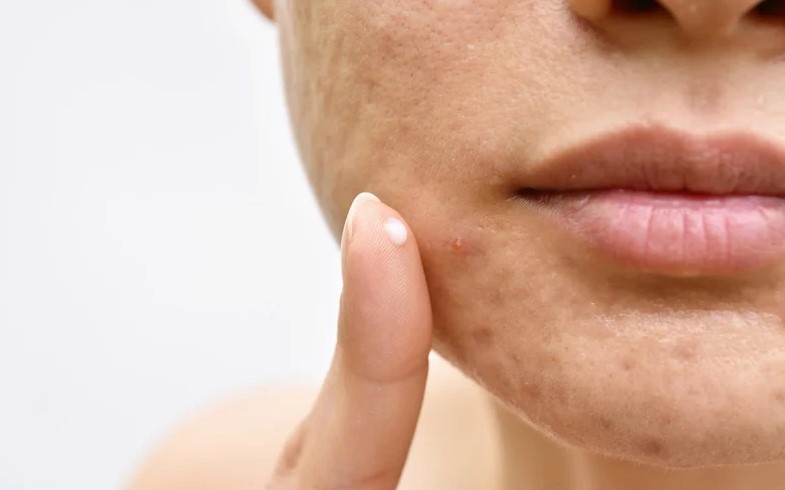
Acne is one of the most common skin conditions in the world, affecting people of all ages. Yet despite how widespread it is, there is an enormous amount of misinformation about how to treat it … and waiting too long to seek the right care can have consequences that last far beyond the breakouts themselves.
As a board-certified dermatologist and Mohs surgeon, I see patients every week who wish they had come in sooner. Many have spent months … sometimes years … cycling through products they found on social media or purchased from online skincare companies, only to arrive in my office with worsening acne, frustration, and in some cases, permanent scarring that could have been prevented.
This post is for anyone dealing with acne, whether mild or severe, and especially for parents of teens who are just starting to break out. My message is simple: early intervention by a board-certified dermatologist is one of the most impactful things you can do for your skin … and your confidence.
Acne Is a Medical Condition, Not a Cosmetic Inconvenience
It’s easy to think of acne as a minor nuisance or a normal rite of passage. But acne is a genuine medical disease involving complex interactions between hormones, bacteria, oil production, and inflammation. Left untreated or improperly treated, moderate-to-severe acne can lead to deep cysts, painful nodules, post-inflammatory hyperpigmentation, and permanent scarring.
The key word there is permanent. Once scarring develops, it is far more difficult and expensive to address than the acne itself would have been. Treatments like laser resurfacing, microneedling, and subcision can improve scars, but they rarely eliminate them completely. Prevention is always preferable to reconstruction.
Why a Board-Certified Dermatologist Makes a Difference
Not all skincare advice is created equal. A board-certified dermatologist has completed four years of medical school, at least one year of internship, and a minimum of three years of dermatology residency training. We are trained to diagnose the specific type and severity of acne you have, identify contributing factors like hormonal imbalances or medication side effects, and build a treatment plan using evidence-based therapies … including prescription-strength retinoids, antibiotics, hormonal agents, and isotretinoin when appropriate.
This level of training matters because acne is not one-size-fits-all. What works for one person may make another person’s skin significantly worse. A board-certified dermatologist can recognize the difference between comedonal acne, inflammatory acne, nodulocystic acne, and acne mimickers like rosacea or folliculitis … conditions that require entirely different approaches.
We also monitor for side effects, adjust treatment as your skin responds, and know when to escalate therapy before scarring sets in. That kind of personalized, medically supervised care simply cannot be replicated by an algorithm, a quiz on a website, or a social media video.
The Problem with Social Media Skincare Advice
Social media platforms are flooded with skincare content. Some of it comes from well-meaning creators, and occasionally the advice is reasonable. But much of it is misleading, oversimplified, or outright wrong … and it can be nearly impossible for someone to tell the difference.
Here are a few common problems I see:
Unqualified sources presenting themselves as experts. Anyone can call themselves a “skincare guru” or “skin coach” online. Having clear skin does not make someone qualified to advise others on a medical condition. What worked for one person’s mild breakouts may cause a severe reaction in someone with a different skin type, tone, or underlying condition.
Dangerous trends and DIY remedies. From applying lemon juice and toothpaste to aggressive at-home chemical peels, social media trends can cause chemical burns, worsen hyperpigmentation (especially in darker skin tones), and damage the skin barrier … setting your skin further back than where you started.
Cherry-picked before-and-after photos. These are often taken under different lighting, at different angles, or after professional editing. They create unrealistic expectations and pressure people into purchasing products that may not be appropriate for their skin.
Oversimplification of complex conditions. A 60-second video cannot capture the nuance of acne treatment. Telling someone to “just use salicylic acid” ignores the full clinical picture that a dermatologist would evaluate in person.
The Case for Early Treatment
Research consistently shows that early, aggressive treatment of acne leads to better long-term outcomes. Studies have demonstrated that patients who begin appropriate therapy before significant scarring develops have markedly better skin quality years down the road.
Early treatment also has a profound impact on mental health. Acne is strongly associated with anxiety, depression, social withdrawal, and reduced self-esteem — particularly in adolescents and young adults. Addressing acne promptly is not vanity; it is healthcare that can meaningfully improve quality of life.
If you or your child is experiencing persistent breakouts — even if they seem “mild” … I encourage you to schedule an evaluation rather than waiting to see if things resolve on their own or trying to manage it with over-the-counter products alone. Some acne does require medical-grade treatment, and the sooner we start, the better the outcome.
What to Expect at Apollo Dermatology
When you come to Apollo Dermatology for acne, we start with a thorough evaluation of your skin, your medical history, and your goals. We discuss all available treatment options from topical therapies to oral medications to procedural treatments, and build a plan that is tailored specifically to you. We monitor your progress, make adjustments as needed, and are here to answer your questions every step of the way.
Our goal is to get your skin clear, prevent scarring, and help you feel confident in your own skin.
The Bottom Line
Your skin deserves more than guesswork, trends, and marketing. It deserves the care of a board-certified dermatologist who has dedicated years of training to understanding skin disease and who will partner with you to achieve real, lasting results.
If you are struggling with acne, don’t wait … and don’t settle for advice from sources that may not have your best interests at heart. Schedule an appointment with Dr. Dupati at Apollo Dermatology (double board certified dermatologist and Mohs surgeon) and take the first step toward healthier skin.
Contact Apollo Dermatology today to book your appointment with Dr. Dupati to discuss any and all of your skincare concerns. Schedule a consultation online or call us at 248-436-4888 to to make an appointment.
Disclaimer: This information is for educational purposes only and is not a substitute for professional medical advice. Always consult your dermatologist for any concerns about your skin health.