How National Guidelines Help Dr. Dupati Provide You With the Best Possible Skin Cancer Care
If you’ve been diagnosed with skin cancer and Dr. Dupati has recommended Mohs micrographic surgery, you may be wondering how he determines that this particular treatment is right for you. The answer lies in a carefully developed set of national guidelines called the Appropriate Use Criteria (AUC) for Mohs surgery.
What Is Mohs Surgery?
Before we dive into the guidelines, let’s briefly review what makes Mohs surgery special. Named after Dr. Frederic Mohs, who developed the technique in the 1950s, Mohs micrographic surgery is a highly precise method for removing skin cancer. During the procedure, Dr. Dupati removes thin layers of tissue and examines them under a microscope while you wait. This process continues until no cancer cells remain, ensuring complete removal while preserving as much healthy tissue as possible.
The results speak for themselves: Mohs surgery achieves cure rates of up to 99% for primary basal cell carcinoma and 97-99% for primary squamous cell carcinoma. For cancers that have recurred after previous treatment, cure rates remain impressively high at approximately 94%.
What Are the Appropriate Use Criteria?
In 2012, the American Academy of Dermatology collaborated with three other leading organizations: the American College of Mohs Surgery, the American Society for Dermatologic Surgery, and the American Society for Mohs Surgery in order to establish clear guidelines for when Mohs surgery is most beneficial. More than 75 physicians contributed to developing these criteria, which were based on an extensive review of medical evidence, clinical experience, and expert judgment.
The result was a comprehensive framework that evaluated 270 different clinical scenarios, rating each as “appropriate,” “uncertain,” or “inappropriate” for Mohs surgery. These guidelines help ensure that patients receive the most effective treatment for their specific situation.
The Three Key Factors
When determining whether Mohs surgery is appropriate for your skin cancer, Dr. Dupati considers three main factors:
1. Location on Your Body
The AUC divides the body into three anatomic zones:
Area H (High-Risk): These are the “mask areas” of the face and other sensitive locations where preserving tissue is critical for both function and appearance. Area H includes the central face, eyelids, eyebrows, nose, lips, chin, ears, temples, and the skin immediately around them. It also includes the genitals, hands, feet, nail units, ankles, and nipples.
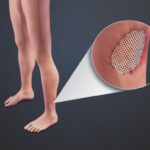
Area M (Medium-Risk): This zone includes the cheeks, forehead, scalp, neck, jawline, and the front of the lower legs.
Area L (Lower-Risk): This encompasses the trunk and extremities not included in the other areas.
Skin cancers in Area H locations almost always benefit from Mohs surgery because even small amounts of unnecessary tissue removal can affect how you look and how well these areas function.
2. Type and Characteristics of Your Skin Cancer
Not all skin cancers behave the same way. The guidelines take into account:
- The type of cancer: Basal cell carcinoma, squamous cell carcinoma, melanoma in situ, and rarer skin cancers each have different growth patterns and risks.
- The subtype: Some forms are more aggressive than others. For example, morpheaform or infiltrative basal cell carcinomas tend to extend further beneath the skin than their appearance suggests, making complete removal with standard excision more challenging.
- Whether it’s new or recurring: Cancers that have returned after previous treatment are generally more difficult to cure and often benefit from the precision of Mohs surgery.
- Size and depth: Larger tumors and those that have grown deeper into the skin may require the meticulous approach that Mohs provides.
3. Your Individual Health Profile
Patient factors matter too. For example, individuals whose immune systems are suppressed, such as organ transplant recipients, face higher risks from skin cancer and often benefit from the thoroughness of Mohs surgery. The guidelines also consider patients with genetic conditions that predispose them to multiple skin cancers.
Why These Guidelines Matter for Your Care
You might wonder why such detailed criteria exist. There are several important reasons:
Ensuring you receive the most effective treatment. Mohs surgery isn’t the best choice for every skin cancer. For a small, superficial basal cell carcinoma on your back, standard excision or other treatments may work just as well. But for a skin cancer on your nose or near your eye, Mohs surgery’s precision becomes invaluable.
Preserving healthy tissue. By removing skin cancer layer by layer with immediate microscopic examination, Mohs surgery removes only what’s necessary. This is particularly important in cosmetically and functionally sensitive areas.
Achieving the highest cure rates. The guidelines help direct Mohs surgery toward scenarios where its unique advantages, complete margin assessment and tissue conservation, provide the greatest benefit.
How Dr. Dupati Uses These Guidelines
When you come to Apollo Dermatology with a skin cancer diagnosis, Dr. Dupati evaluates your specific situation against these established criteria. He considers the location of your cancer, its pathology results, your medical history, and your individual needs.
The American Academy of Dermatology has even developed a mobile app that helps physicians quickly reference these criteria at the point of care, ensuring consistent, evidence-based decision-making.
It’s important to note that while the AUC provides an excellent framework, the guidelines themselves acknowledge that the ultimate decision must be made by the physician and patient together, considering the unique circumstances of each case. Dr. Dupati uses these criteria as a foundation while also applying his clinical expertise and discussing your preferences and concerns.
What This Means for You
If Dr. Dupati recommends Mohs surgery for your skin cancer, you can feel confident that this recommendation is backed by national guidelines developed through rigorous review of medical evidence and refined by dozens of skin cancer experts. The goal is straightforward: to provide you with the treatment most likely to completely cure your cancer while preserving as much of your healthy skin as possible.
If you have questions about whether Mohs surgery is appropriate for your skin cancer, or if you’d like to understand more about how these guidelines apply to your situation, please don’t hesitate to ask during your appointment. At Apollo Dermatology, we believe informed patients are empowered patients.
If you would like to learn more, feel free to reach out to our office online or call us at 248-436-4888. Your skin’s health is our priority, and we’re here to help!